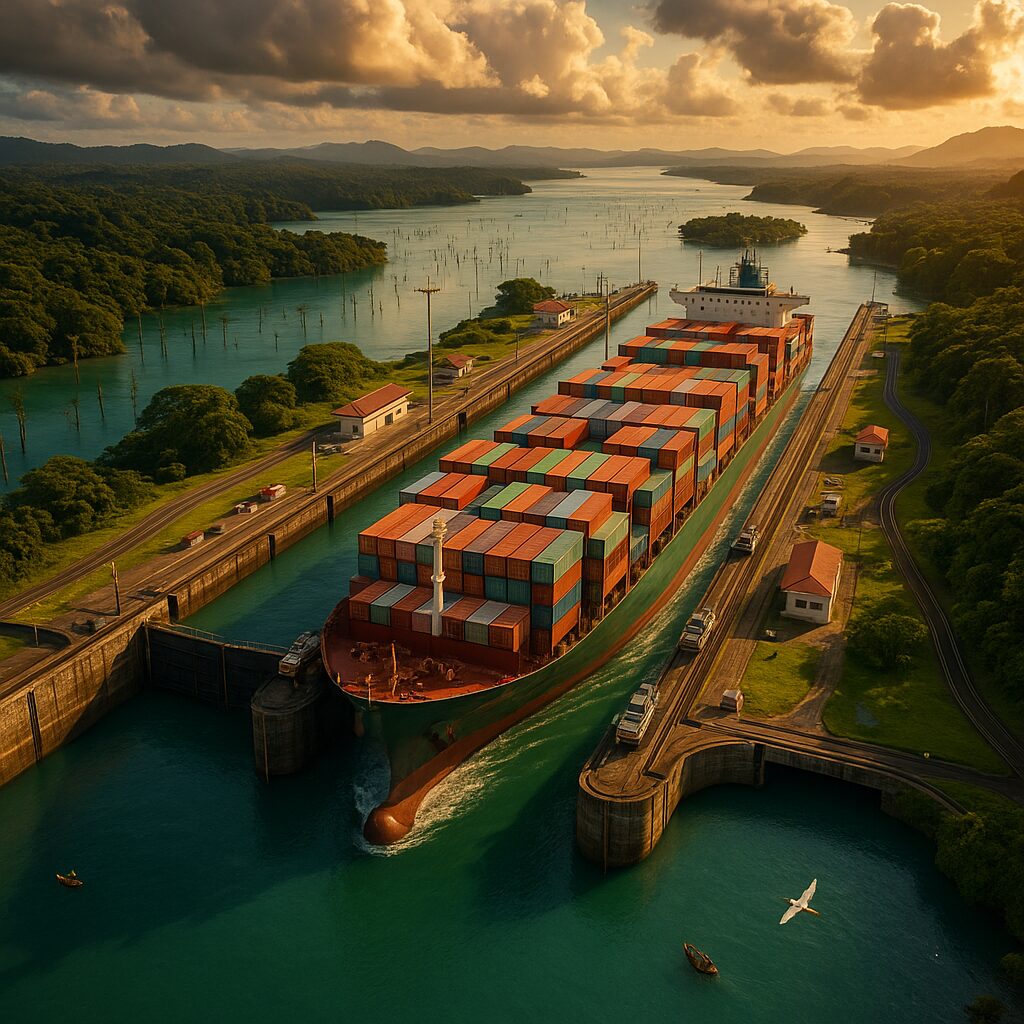
Planning a trip to Panama? Here's your complete guide to understanding and experiencing one of the world's most impressive waterways.
The Panama Canal isn't just a shipping route—it's a testament to human ingenuity that changed global commerce forever. Whether you're a history buff, engineering enthusiast, or simply curious traveler, the canal offers an unforgettable experience that connects two oceans and over a century of fascinating stories.
The Panama Canal stands as one of humanity's greatest engineering achievements, and for good reason. This 50-mile waterway accomplishes something that seems almost impossible: it lifts massive ships 85 feet above sea level, carries them across the continental divide, then gently lowers them back to sea level on the other side.
When construction began in 1904, many considered the project impossible. The French had already failed spectacularly, losing 22,000 lives and going bankrupt in the process. But American engineers, led by figures like John Stevens and George Goethals, revolutionized construction with innovative solutions:
Before the canal, ships traveling from New York to San Francisco had to navigate around Cape Horn at South America's tip—a treacherous 13,000-mile journey. The Panama Canal cut this to just 5,200 miles, revolutionizing global trade routes and making Panama the "Crossroads of the World."
Today, about 14,000 ships transit the canal annually, carrying everything from bananas to luxury cars. Each passage saves weeks of travel time and countless gallons of fuel.
This is where many people get confused, and the answer has changed dramatically over the past century.
The United States built and controlled the canal from 1914 to 1999. Under the Hay-Bunau-Varilla Treaty of 1903, the U.S. gained rights to a 10-mile-wide Canal Zone "in perpetuity"—essentially forever. American citizens lived in this zone, which operated almost like a separate country within Panama.
Since December 31, 1999, Panama has owned and operated the canal completely. The transfer was gradual, negotiated through the Torrijos-Carter Treaties of 1977, which recognized Panamanian sovereignty while ensuring continued neutral operation of the waterway.
Skeptics worried that Panama couldn't manage such a complex operation, but they've proven doubters wrong. Under Panamanian control:
The Panama Canal Authority (ACP) now operates as an autonomous government agency, ensuring the canal remains politically neutral and open to ships from all nations.
Absolutely—but your experience depends entirely on how you approach it.
Many visitors make the mistake of thinking they can "see" the Panama Canal from Panama City's Miraflores Locks Visitor Center and call it complete. While Miraflores offers an excellent introduction with its museum and observation decks, you're really only seeing one small piece of the puzzle.
What makes a canal visit truly memorable:
The most impactful way to experience the canal is from the water itself. Options include:
Full Transit Tours: These 8-10 hour journeys take you through the entire canal, from ocean to ocean. You'll experience exactly what cargo ships do, including:
Partial Transit Tours: 4-6 hour trips that cover major highlights without the full crossing, perfect if you're short on time.
Gatun Lake Boat Tours: Focus on the canal's largest section while exploring wildlife and history. This is where you'll see those famous submerged trees from the original rainforest, now over 100 years underwater but still perfectly preserved.
Here's something most people don't expect: the Panama Canal zone is an incredible wildlife corridor. When they flooded the rainforest to create Gatun Lake, they didn't destroy the ecosystem—they transformed it.
Today, you can spot:
Many visitors come for the engineering and leave talking about the incredible wildlife they encountered.
This depends entirely on what type of vessel you're on and which route you choose.
Average transit time: 8-10 hours for the complete ocean-to-ocean passage. Here's the typical breakdown:
Ships don't transit on their own schedule—they're assigned to convoys and must follow strict timing. Weather, traffic, and maintenance can extend these times considerably.
Full transit tours: 8-10 hours - You'll follow the same route as commercial ships, but with narration, meals, and better views.
Partial transits: 4-6 hours - Usually covers either the Atlantic or Pacific side, giving you the lock experience without the full crossing.
Gatun Lake tours: 2-4 hours - Focus on the largest section of the canal while combining engineering marvels with wildlife viewing.
Best months: December through April offer the clearest weather and most comfortable temperatures.
Avoid cruise ship season peaks: January-March can be crowded, especially at Miraflores Locks.
Consider staying overnight near Gatun Lake: This allows you to experience the canal at different times of day and catch incredible sunrise/sunset views that day-trippers miss entirely.
Most visitors fly into Panama City's Tocumen International Airport. From there:
The Panama Canal offers something rare in today's world: a chance to witness human achievement on a scale that's almost incomprehensible. It's not just about the engineering (though that's spectacular)—it's about understanding how this waterway changed the world and continues to shape global commerce today.
But here's the real secret: the best canal experiences happen when you get away from the crowds. Whether that means taking a boat tour through Gatun Lake, staying overnight in the canal zone, or simply taking time to really understand the history and engineering, the canal rewards those who dig deeper.
After all, this isn't just a tourist attraction—it's a living, working marvel that connects our world in ways most people never consider. And that's pretty special indeed.
Ready to experience the Panama Canal up close? Consider staying at one of the few accommodations actually located on Gatun Lake, and explore the canal zone at your own pace.